Archive for the ‘Foot Care Tips’ Category

Dr. Oz: Helpful Hints to Pick the Best Shoes for Your Feet

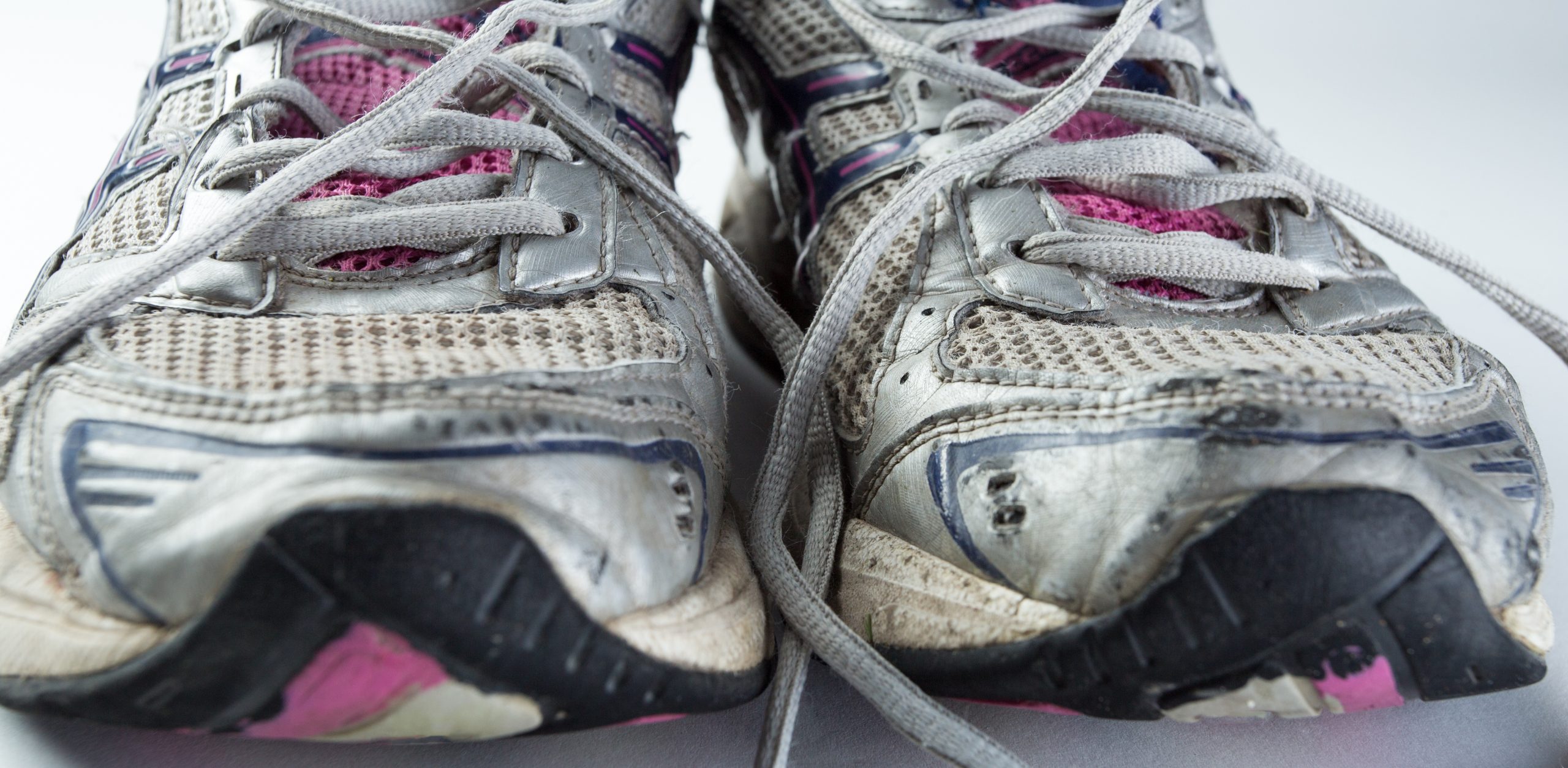
It’s great to see that even Dr. Oz is helping to educate people about the benefits of wearing the right shoes to keep your feet healthy.  Check out this Dr. Oz show video to see what he has to say about determining your arch type – normal, flat, or high, and what the wear patterns on your shoes can tell you about your feet, so you can be sure when you’re shopping for shoes that you find the best shoe for you.

And from my perspective as a foot-fitness expert… good shoes can help support your feet, but keeping your foot, ankle, and leg muscles strong, fit, and flexible is even better.  Even if it’s only for 2-3 minutes a couple of times a week.  Taking time to exercise your feet can help improve your arches, retrain gait habits, and help you enjoy pain-free feet!  Check out the book Fantastic Feet! And lots of other great foot-care goodies here.

iWalk – Actively Powered Foot and Ankle for Amputees

It’s amazing what technology is able to do and humans are able to create to help improve the lives of others!  The iWalk prosthetics company has created the worlds’ first actively powered foot and ankle!  Their PowerFoot One is designed to give amputees an ease of movement that is natural.  This prosthetic limb makes approximately 500 adjustments every second!  It’s computer processors have a library of known human foot movement patterns to help anticipate what the foot and ankle need to do.  Incredible!!!  It’s great to know that the opportunity to restore a more normal quality of life with this technological advancement might be possible after the loss of a limb.  Our feet are so important.  I hope that in time, these prosthetic devices will become affordable for the people who really need them.

Click Here to read more about the iWalk PowerFoot One.

4 Excellent Ways to Strengthen Your Ankles and Avoid Injury

Are you interested in staying healthy and injury-free?  Foot and Ankle strength, flexibility, and alignment is critical! Our ankles assist with balance,  help us run faster, and jump higher.  One missed step off a curb, or quick turn on the basketball court, soccer field, or during any other sports activity and if your ankle turns… you’ve got pain, swelling, and are sidelined from the activities that you love to do!

You don’t have to be plagued by chronic ankle pain and problems. There are lots of great ankle strengthening exercises that can help you get fit, and enjoy all the sports and fitness activities you enjoy participating in.

Here are 4 of my favorite ways to help be sure your ankles are in top training condition!

1.)

Pilates Reformer Exercises

Toes, Arches, Heels, Lift & Lower…The first four footwork exercises on the Reformer are excellent for strengthening the feet and ankles. Add in the five exercises in the Stomach Massage series, (Round, Hands Back, Reach, Twist, and Stretch) and running and you’ve done ten great ankle strengthening as well as some great whole-body, core conditioning in your Pilates Reformer workout program.

2.)

Standing Footwork Exercises

The standing footwork exercises are a wonderful way to work your ankles and improve your balance all at the same time!

  • Rise on your tippy-toes and then lower your heels 8-10 times.
  • Bend your knees, lift your heels, straighten your knees (staying high on your toes) then lower the heels 8-10 times.
  • Reverse this action of rolling through the feet (Rise on your toes, bend your knees staying on the toes, lower the heels, straighten the legs) 8-10 times.

To add variety to your Standing Footwork exercise program, these exercises can be done in a V-Position, Parallel, or One Leg at a time.

Bonus Tip: Watch your legs and feet in a mirror to be sure that your alignment stays great – Knees over ankles, ankles over toes…no wobbles.

3.)

Theraband Ankle Exercises

Using a theraband is a great way to strengthen the foot and ankle with a little more resistance, but not have to work against your entire body weight.  Line the band up lengthwise along the sole of your foot, and hang onto the ends with your hands. Practice pointing and flexing the foot, as well as doing ankle circles against the resistance of a theraband. Strive to work through a full range of motion in all directions for maximum benefits.

4.)

Centerworks® Super-Ankle Board

Turning an ankle is one of the most common sports injuries, and the Centerworks® Super Ankle Board is one of the easiest ways to stretch and strengthen the medial and lateral sides of the ankle joint and reduce your risk of injury. The strength and body awareness you’ll gain with the Centerworks® Super-Ankle Board is what’s required to pull your ankle back to a centered position if it starts to roll out! Standard wobble boards do not work this range of motion or provide the reference points needed to ensure that you’re using the right parts of the foot and ankle for correct lateral/medial action. Use this Super-Ankle Board regularly and chances are slim that you’ll never blow out another ankle again!

For Pilates Reformer workouts, find a studio near you. Everything else you can practice on your own at home or add to your current workout!  It doesn’t take a lot of time to improve ankle strength, just a few minutes focused on your feet a couple of workouts a week, and you’re on your way to staying healthy, fit, and injury-free!

You can find all of these great foot and ankle care products at Centerworks.com.  Get a copy of the book Fantastic Feet with the Standing Footwork and Theraband  exercises.  Buy Therabands from super-easy to advanced strengths, and get a Super-Ankle Board all online in the Foot Care Products section at the Centerworks store.

Important Information about Common Foot Problems from America’s Podiatrist Dr. Michael Nirenberg

Thanks to guest author America’s PodiatristSM,  Dr. Michael Nirenberg for these great insights into some common foot pain problems.  I hope that you have healthy and happy feet, but if any of the foot problems below are an issue for you – please listen to your feet and seek medical attention if necessary.  Treatment and prevention is a whole lot better than living with pain!

I hope you enjoy reading this helpful foot-care info!

Foot Care Tips for Avoiding High Heel Pain

Just tripped across a video news clip from WNBC on Tips for Avoiding High Heel Pain.  Oh the things women do in the name of looking good and feeling sexy!  So how many of you have experienced foot, ankle, knee, hip, or back pain and now are thinking your poor-fitting shoes might be part of the problem?  Or perhaps you never realized that your stilettos might be a big part of the problem…  Our feet (as well as the rest of our body) shouldn’t hurt.  Pain is the red-flag that there is something we need to pay attention to and take care of.  Ignoring things and hoping that it will just go away is never a great option.

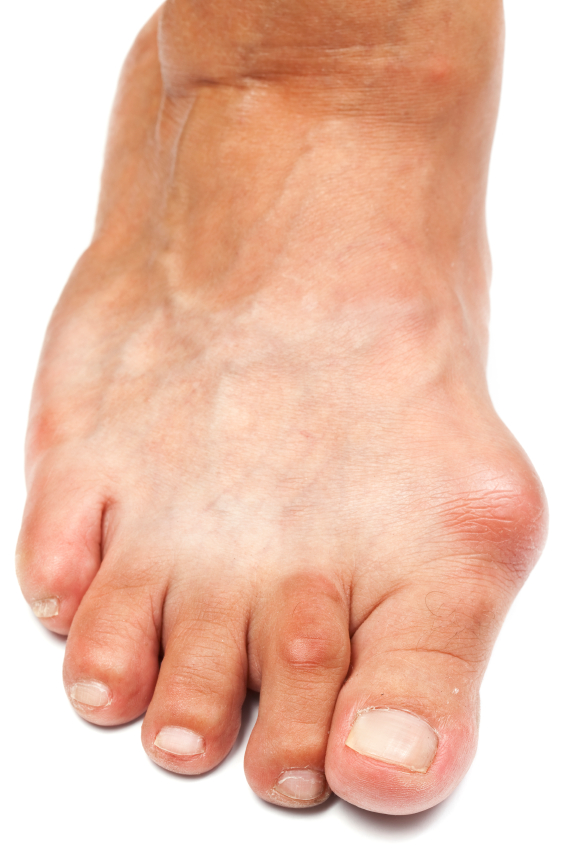
Fantastic Feet Exercises for Plantar Fasciitis and Bunions

I recently received these great questions from Cynthia about picking the right exercises from my book Fantastic Feet to help with plantar fasciitis and bunion issues. Thought that there might be a few other people out there searching for solutions for foot care and foot exercises that will benefit these two common foot problems.

Here are her questions about Plantar Fasciitis and Bunions and my suggestions to benefit healthier and happier feet:

Dear Aliesa,

I must say that I have just recently pulled out your book, Fantastic Feet! Exercises to Strengthen the Ankles, Arches, and Toes. I bought it a few years back. I have had plantar fasciitis in my life and also bunions. Now my 14 year old son has very sore feet from soccer….so much running. I pulled it out to see where I can help him. I want to give him a limited number of exercises that would give him the most benefit but with the least amount of time since it will be hard for me to keep his interest….that is also true of me. I would greatly appreciate your advice in that area. I know it is his heel that hurts but it does not seem like what I had as far as plantar fasciitis. It looks like his whole bottom of his foot hurts.

In your book, I would like to be able to see a foot ailment and the exercise or exercises that would most benefit that area whether it be sitting or standing. That would allow me to pick and choose which ones are best for what is happening right now. I think the problem is that I am pressed for time so a suggestion on what to do if you have 5 min, 10 min, 15 min etc would be good. It looks overwhelming as it is, though it may not be, it just looks that way.

Thanks, Cynthia

_________________________________________________

Hi Cynthia!

Glad that you pulled my book off your shelf and are revisiting the foot-care exercises in Fantastic Feet! I know it’s a challenge to get teenagers to do things that are good for them, but if he can learn some things now, hopefully they will be tools he can use for a lifetime to keep him pain and injury-free.

Barefoot Running and Foot Fitness

It is fantastic to see national headline news picking up stories about foot fitness and the benefits of barefoot exercise!

One of Christopher McDougall’s comments in this video clip is that he was searching for anything that might help him reduce injuries and keep on running.  With a closet full of shoes that  just wasn’t helping him avoid the heel pain, Achilles pain, and arch pain he was challenged with, the medical advice he received was stop running.  Good advice, but not ever what somebody wants to hear if it involves giving up something that we love to do that’s supposed to be good for us.

For Christopher McDougall author of Born to Run, he realized that, “Shoes are the Devil,”  and learning barefoot running techniques has helped keep him on the road and injury-free.

Watch the interview on this CNN video clip.  Barefoot ultrarunner Christopher McDougall explains his inspiration for barefoot running, injury prevention, and the benefits of running without shoes.

Metatarsalgia, Hammer Toes, and Help for Foot Problems

I recently received questions from Deborah, who was surfing the web looking for help and possible exercise solutions for her chronic foot pain issues, she has been kind enough to let me add her questions, and my reply to my blog, so that anyone else out there searching for possible solutions for similar issues can benefit from this info.

Here are Her Foot Related Questions:

“I will be seeing a podiatrist in a couple of weeks to address “metatarsalgia” of the second and fourth toes of my right foot. My second toe has also been trying to become a hammer toe for quite some time. I had a bunionectomy 30+ years ago. This current situation came up once before about 12 years ago, got an orthotic at that time which “suspended” the second joint through a dip in the orthotic material. That doctor is no longer in this area, so going to a new doctor soon.

Any suggestions? Does your book specifically address what to do for the met. problem? I’m sure it does for hammer toe since that is listed in the description about the book. Any help would be greatly appreciated. Thank you.” – Deborah K.

And Here was My Reply:

Thanks for your inquiry! It’s not possible for me to give you any specific opinions about what to do to help your feet without actually seeing you for an appointment to get an idea of your posture, body alignment, and how you walk, sit, and stand. Sounds like your feet have had many years worth of medical assistance for improving alignment and structure.

As I’m not a podiatrist or medical professional, it’s great that you’re scheduled to see a doctor for an evaluation. From reading up on metatarsalgia it looks like the conservative treatments are rest, ice, pain-relievers, good shoes, and arch supports or metatarsal pads. Perhaps after an evaluation, your podiatrist will recommend some of this, or be familiar with other alternative treatments. It looks like if conservative treatment options don’t work, surgery to realign the metatarsal bones may be recommended.

Now, here’s my personal OPINION, having not seen your feet! In my experience, the specific toe and foot exercises that I’ve included in the Fantastic Feet book have helped many of my clients and workshop participants improve the strength, flexibility, and alignment of the foot. If the muscles of your toes, ankle, and arches are not appropriately strong and flexible the bones will not be held in the correct alignment.

Since we are on our feet for a lifetime of getting around (against gravity,) if things are not working optimally, sooner or later injuries and pain somewhere else in the body will appear. (Whether it’s the feet, knees, hips, back, or neck & shoulders…) Pain anywhere else in the body, could potentially be coming from issues at the feet!

I haven’t seen too many (if any) traditional fitness professionals spend time teaching clients about specific foot-care exercises. It’s generally accepted that if you’re wearing a good shoe and walking or running, you are exercising the feet. In my experience, lots can be improved with very easy exercises if people only knew what to do and how relatively easy it is to begin seeing a change. This is why I wrote my book Fantastic Feet!  Exercises to Strengthen the Ankles, Arches, and Toes, and began teaching Foot Fitness workshops!

If you spend any time at all wearing flip-flops, or shoes that do not have a strap across the heel… I would encourage you to throw them away, they are only aggravating the problems with your toes and metatarsals.

To answer your question about exercises in my book specifically addressing your metatarsal problem:

The exercises in the Fantastic Feet book are not written to read: if you have this problem, do this exercise, or that problem, do a different exercise, because I come from a background and philosophy that you can’t spot-fix a problem. It is actually the process of doing a series of exercises to work the feet (or body) in all directions that will help identify the strengths and weaknesses in your feet (and the rest of your body) and help provide optimal overall benefits to alleviate pain and help solve strength, flexibility, and alignment issues.

In my experience, I recommend clients starting with the Terrific Toe Series, which should begin to open the joints and re-train the muscles under the foot to work properly. If you have a high arch, your feet will feel flatter to the floor when you’ve finished the “toe series.” If you have a flat foot – you will notice that the arch is more lifted after the exercises. So the body will get what it needs by completing the full series of exercises which work the joints in all ranges of motion. This is started non-weight bearing with the assistance of the hands (chances are the toe muscles won’t be able to do the work because they don’t know how!) and over time props and toys are added, then semi-weight bearing, and back to a standing position.

I don’t think that I have ever had a copy of my book returned! But to ease your mind, there is a money-back guarantee. Consult with your podiatrist as to if he/she would recommend exercise as beneficial for your problems. You might even consider bringing a copy of the book with you to your appointment so they can see the things you would like to do if they feel it might be appropriate. Lots of things can be corrected with the right exercises in your weekly routine!

Hope this information is helpful to you. Drop me a note and give me an update – I always enjoy hearing how it’s going for folks and if you’ve had success in alleviating problems. I’m also available to travel and teach workshops – so if there is a Pilates studio, fitness center, or any place in your area that might be interested in hosting a Fantastic Feet workshop, let me know who to contact and perhaps I could see your feet live and in person to tweak your technique and personally show you the foot-care exercises in my book!

**********

If you have thoughts, questions, or suggestions about this post, please make a comment below.  The more information people can find to help enjoy a healthy life, the better!

I Have Foot Problems – Are There Foot Exercises that Can Help?

Foot Problems and Foot Strengthening with ExerciseThis Foot Care Question was just submitted to my inbox by Nicole, thought perhaps there are others out there searching for answers on how to alleviate foot problems and curious to know if exercise might help.

“I have some problems with my feet.  Hyper mobile forefoot and hypo mobile mid-foot with some posterior tibular tendonitis.”

“I was wondering if there are foot care exercises I could do to help?”

Thanks for your question about exercises for your feet.  It is impossible for me to give you specific exercises that I think would be beneficial without actually having a chance to see you, work with you, and evaluate your feet.

Based on your comments about the problem, I do have some thoughts about what I would look for, and I am confident that yes, there probably are some specific foot fitness exercises that you could do to help improve your feet.

Upcoming Fantastic Feet Workshop at the Pilates Studio of Little Rock

lady_jumping

Check out the Centerworks Awesome Workshops

Check out this AWESOME WORKSHOP!

Fantastic Feet!  Exercises to Strengthen the Ankles, Arches, and Toes

with Aliesa George and Centerworks®

Discover:

  • Why it’s important to focus on foot fitness!
  • Lots of easy exercises to help you improve strength, and flexibility!
  • How this simple foot-care system can help reduce foot pain!
  • Enjoy healthy and happy feet! And the rest of your body will feel better too!

Don’t miss this FUN, exercise-packed Fantastic Feet Workshop!

Thursday, February 26th from 5:30 – 8:30pm!

Location:  The Pilates Studio of Little Rock, 5515 Kavanaugh Blvd., Little Rock, AR

To register contact www.PilatesLittleRock.com

P.S.

If you can’t make it to this workshop…

Check out all the great foot-fitness products available at www.foot-care-help.com

Studio Owners – If you’d like to host a workshop at your facility, contact Aliesa George now!

Free Resources From Centerworks For Pilates • Foot Fitness • Whole Body Health. Go To Download Directory.